

We live in a world that runs on stories. From social media to the stock market, stories shape our perception, drive our decisions, and—if we’re not careful—empty our wallets.
Especially in personal finance, stories can be seductive:
- “This startup will be the next unicorn.”
- “This mutual fund has a rockstar fund manager.”
- “Real estate never goes down.”
These narratives sound convincing. They’re repeated by friends, influencers, and even financial media. But if you’ve ever bought into one and lost money, you already know the truth:
A story may inspire, but an investing strategy creates wealth.
What Does It Mean to “Buy Into a Story”?
Buying into a story means making an investment decision based on:
- Hype
- FOMO (Fear of Missing Out)
- Popular opinion
- Emotional appeal
- Past success stories
Instead of doing your research, you trust the narrative being sold to you. The problem? Most stories don’t consider your risk profile, timeline, or financial goals.
Examples:
- Buying a stock just because a celebrity endorsed it.
- Investing in crypto after seeing someone double their money.
- Chasing thematic mutual funds because “green energy is the future.”
These are all decisions rooted in emotion rather than evaluation.
Why Stories Are So Convincing
1. They Simplify Complexity
Finance is complex. Stories make it simple and relatable. When someone says, “My friend bought XYZ stock and made 5X in 2 years,” it feels easy. But the details (timing, entry/exit, luck) are left out.
2. They Trigger FOMO
The fear of missing out is a real phenomenon. Stories tell you others are getting rich, and you’re not. That urgency pushes people to act irrationally.
3. They Validate Hope
We want to believe that one investment can change our lives. Stories tap into that desire. They sell hope packaged as certainty.
4. They Avoid Numbers
Stories rarely mention risk, volatility, expense ratios, or drawdowns. They highlight success and skip the failures.
The Hidden Dangers of Narrative-Driven Investing
❌ Confirmation Bias
You hear a compelling narrative and only seek information that supports it. You ignore warnings, disclaimers, or expert advice.
❌ Overconfidence
Stories inflate your confidence. You assume, “If it worked for him, it will work for me.” But individual outcomes vary based on luck and timing.
❌ Short-Term Focus
Narrative-based decisions often focus on rapid results. They don’t align with the long-term nature of real wealth-building.
❌ Misaligned Goals
A trending story might push you into high-risk assets when your goal was capital preservation.
Real-Life Example: The IPO Craze
Between 2020 and 2022, India witnessed a surge in tech IPOs. Companies like Zomato, Paytm, and Nykaa captured headlines, social media feeds, and the excitement of retail investors. The narratives were powerful:
- Zomato was seen as a food-tech pioneer, the first-of-its-kind digital platform entering the stock market.
- Paytm was hyped as India’s fintech king, revolutionising digital payments.
- With a profitable business model, Nykaa was hailed as a beauty-tech disruptor.
The stories were compelling:
- “This is your chance to invest in the next Amazon or Google.”
- “India is going digital—these companies will dominate.”
- “Millennials love these brands; they can only go up.”
Thousands of retail investors rushed in. Many applied for IPOs in bulk or bought at listing-day highs driven by FOMO, media buzz, and peer pressure.
But what happened next?
- Zomato experienced wild price swings. Valuation concerns and profitability questions led to steep corrections. Early investors who didn’t book profits saw their gains wiped out.
- Paytm became a cautionary tale. It was listed at ₹2,150, and within a year, it had lost over 70% of its value. A lack of a clear path to profitability and investor sentiment drove the decline.
- Nykaa, initially celebrated for its profitability, also saw its share price stagnate and decline due to overvaluation and profit booking after the lock-in period.
The outcome?
Those who invested based on hype and storylines, without evaluating business models, financials, and valuations, faced disappointment and capital erosion.
In contrast, investors who followed a strategy—waiting for valuations to normalise, reviewing quarterly results, and diversifying their exposure—either avoided losses or made calculated entries at better prices.
This episode proves that stories may dominate headlines, but only an investing strategy preserves and grows capital.
Investing Strategy vs. Story: The Key Differences
Below is a detailed tabular comparison between story-based investing and strategy-based investing. This breakdown highlights the emotional pitfalls of narrative-driven decisions and the disciplined approach of strategic investing:
| Aspect | Story-Based Investing | Strategy-Based Investing |
| Driven By | Media hype, peer influence, viral trends, and emotional storytelling | Logic, data analysis, personal financial goals, and long-term vision |
| Decision Style | Reactive—driven by impulse and FOMO | Planned—based on evaluation, research, and structured decision-making |
| Time Horizon | Short-term focused—looking for quick profits | Long-term orientation—prioritising wealth building and compounding over the years |
| Risk Approach | Often ignores or underestimates risk | Risk is assessed, diversified, and managed through planning and asset allocation |
| Understanding | Shallow—relies on headlines or popular opinion | Deep—based on fundamentals, business models, and economic indicators |
| Investment Fit | Generic—one-size-fits-all based on popular narrative | Customised—tailored to the individual’s needs, risk appetite, and timeline |
| Outcome | Unpredictable—may lead to sudden gains or significant losses | Consistent—more likely to align with financial objectives over time |
| Emotional Impact | Emotionally draining—leads to regret, panic, or overconfidence | Emotionally steady—promotes patience, discipline, and peace of mind |
| Examples | IPO hype, meme stocks, celebrity endorsements | SIPs, diversified portfolios, asset allocation, goal-based investments |
| Result | Story fades, excitement drops, and money is often lost | Strategy compounds wealth and builds lasting financial security |
This comparison makes one thing clear: if you want emotional highs, go with stories. If you wish for financial security and peace of mind, choose an investing strategy each time.
What Is a Sound Investment Strategy?
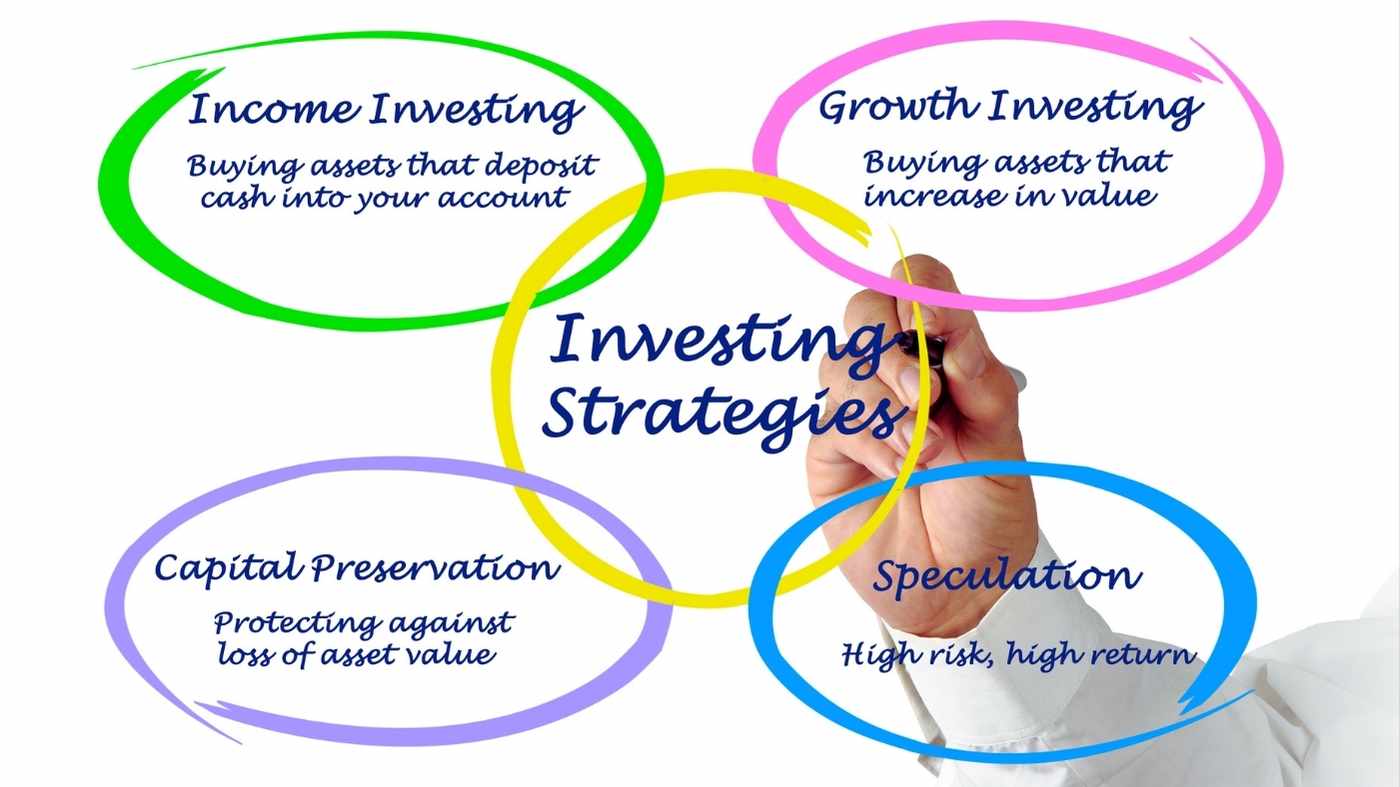
A strategy is a structured plan aligned with your personal financial goals. It includes:
- Goal-setting (retirement, home, education)
- Asset allocation (equity, debt, gold, real estate)
- Risk management (insurance, diversification)
- Regular reviews and rebalancing
Why Investment Strategy Works:
- It removes emotions
- It keeps you disciplined.
- It adapts to life changes.
How to Spot You’re Falling for a Story
Ask yourself:
- Am I investing because everyone else is?
- Do I understand the risks involved?
- Have I evaluated whether this fits my financial plan?
- Am I relying only on someone else’s success?
- Do I feel a sense of urgency, fear, or overconfidence?
If the answer is yes to most, you’re buying a story, not making a strategic decision.
How to Avoid the Story Trap
✅ Step 1: Build Your Financial Plan
Start with your own needs and goals. Define:
- Why are you investing
- How long can you stay invested
- What risks are you comfortable with
✅ Step 2: Educate Yourself
Don’t mindlessly follow tips. Read books, follow credible financial educators, or consult a certified advisor.
✅ Step 3: Use Checklists Before Investing
Have a personal checklist:
- Does it fit my goal?
- What is the downside risk?
- Who is recommending this—and why?
- Is it diversified?
✅ Step 4: Track Performance, Not Popularity
Don’t chase top-rated funds or trending stocks. Review consistent performers with solid fundamentals.
✅ Step 5: Delay the Decision
Use a “24-hour rule” before acting on investment ideas. This reduces impulsiveness.
Investing Influencers: Be Careful Whom You Trust
Social media is flooded with “finfluencers.” Many of them promote specific platforms, schemes, or strategies that may not suit your risk appetite.
Red Flags:
- Guaranteed returns
- Clickbait like “Invest ₹1 lakh to make ₹1 crore”
- One-size-fits-all advice
Instead, follow those who:
- Talk about risk
- Emphasise long-term thinking
- Show their planning process.
The Psychology of Regret
When investments made through hype fail, they often lead to regret. Unlike a bad decision made with proper research, narrative-driven losses lead to:
- Self-blame
- Embarrassment
- Fear of future investing
This emotional baggage stops people from returning to investing—and can derail long-term financial growth.
The Rewards of Strategic Investing
Investors who follow strategy over stories often experience:
- Peace of mind
- Consistent portfolio growth
- Better alignment with life goals
- Less stress during market volatility
They don’t panic-sell during crashes. They stay the course. And they sleep better at night.
Final Words: Write Your Own Story
The best story isn’t the one being sold to you—it’s the one you write yourself.
Craft your financial life with purpose. Develop a strategy that aligns with your dreams, values, and timeline.
Ignore the noise. Embrace discipline. Choose strategy over story.
Ultimately, the most compelling story is one where you achieve financial freedom on your terms.
Disclaimer: The information provided in this blog is for educational and informational purposes only and should not be considered as financial, investment, or tax advice. While every effort has been made to ensure accuracy, readers must consult a qualified financial advisor before making investment decisions. VSJ FinMart is an AMFI-registered mutual fund distributor (MFD) that does not provide investment advisory services. Mutual fund investments are subject to market risks; please read all scheme-related documents carefully before investing.